SHORT DESCRIPTION
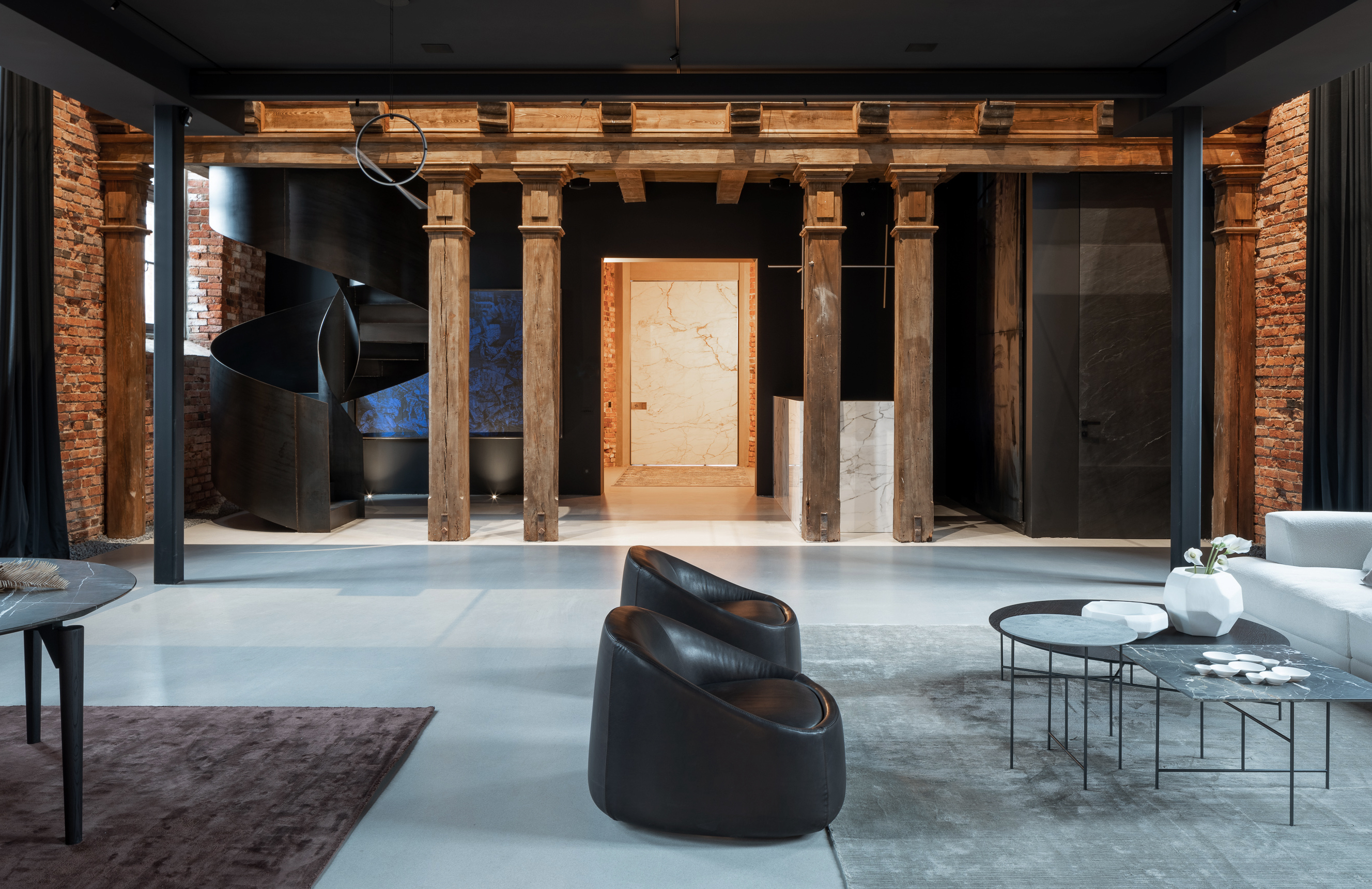
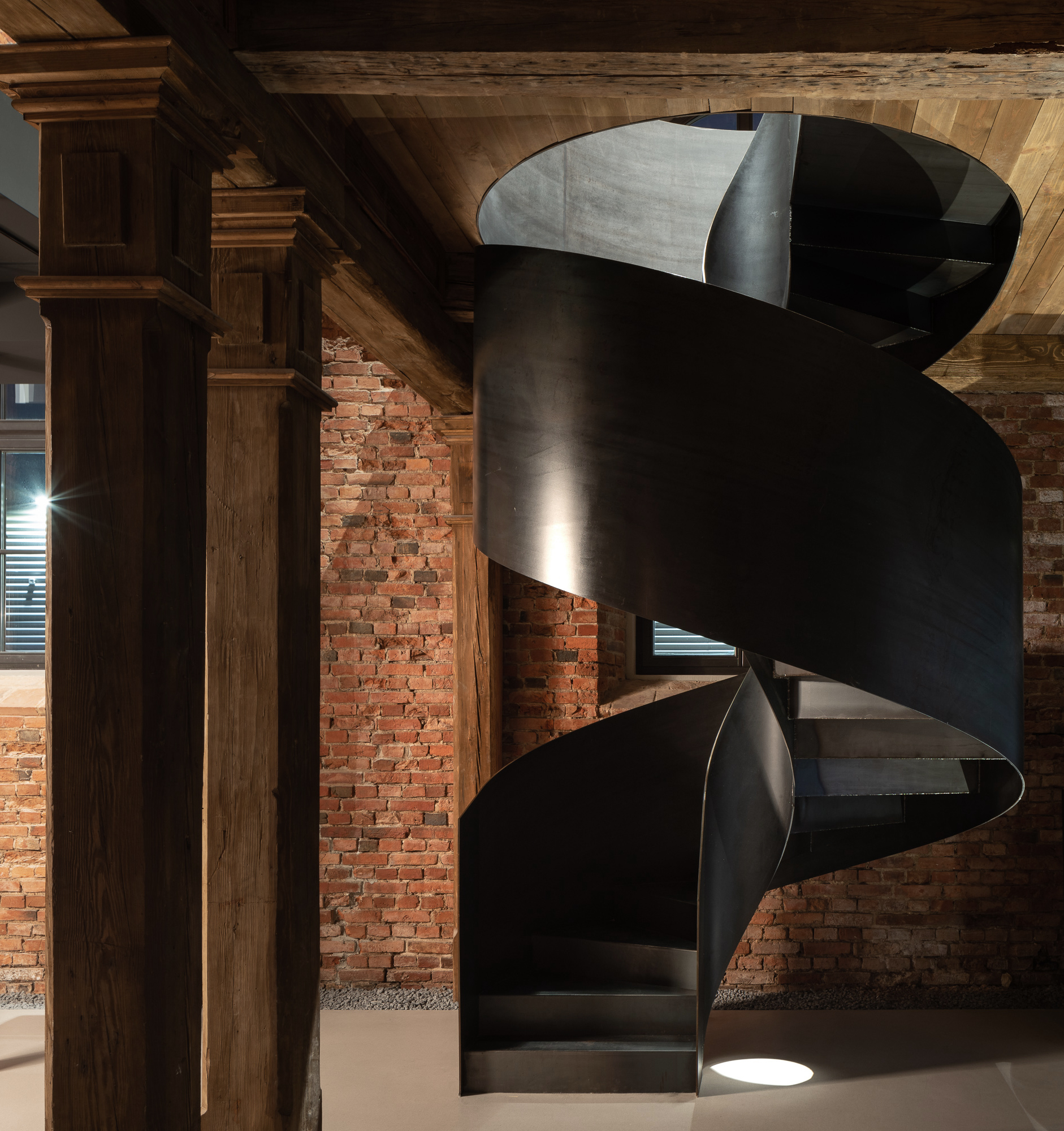
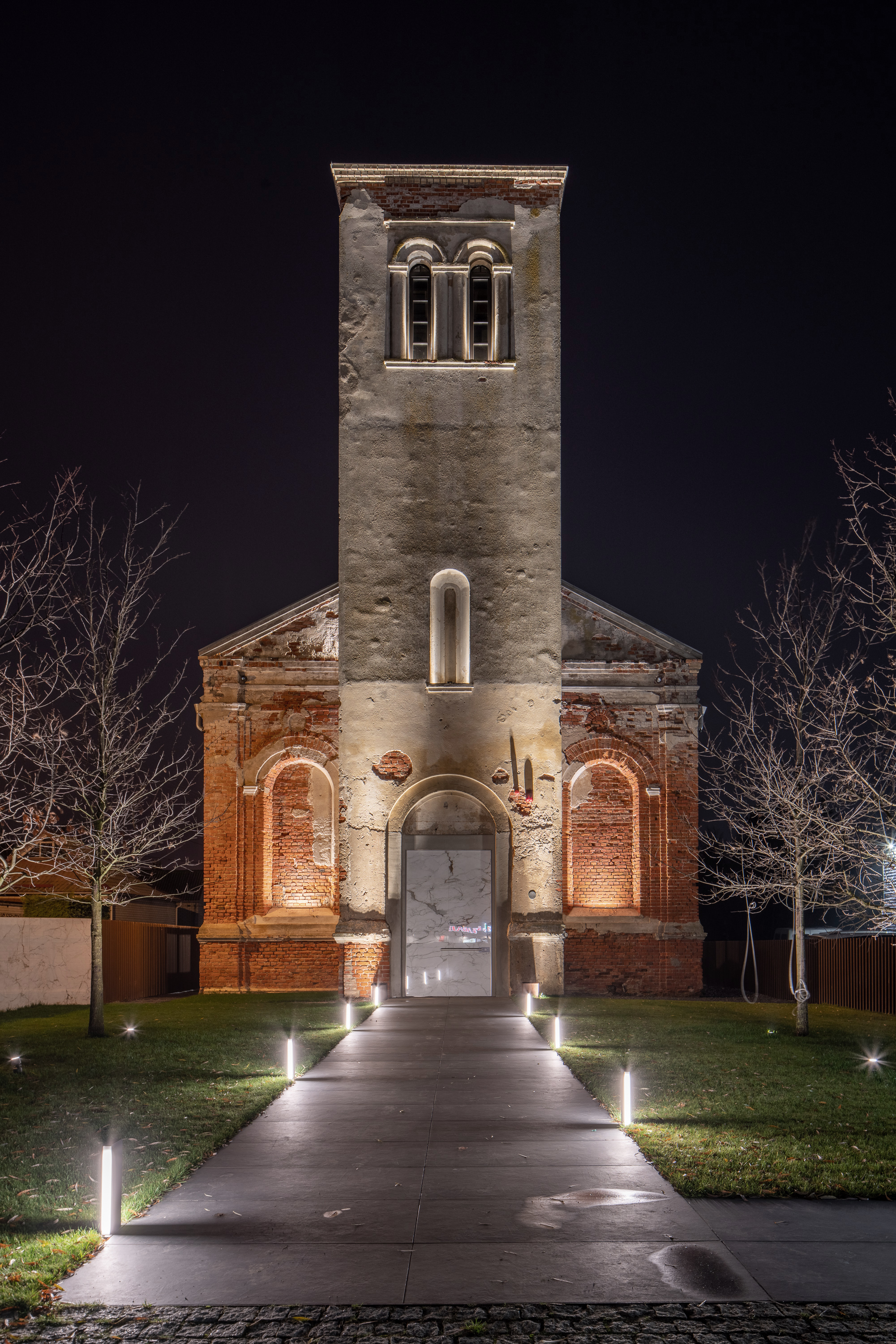
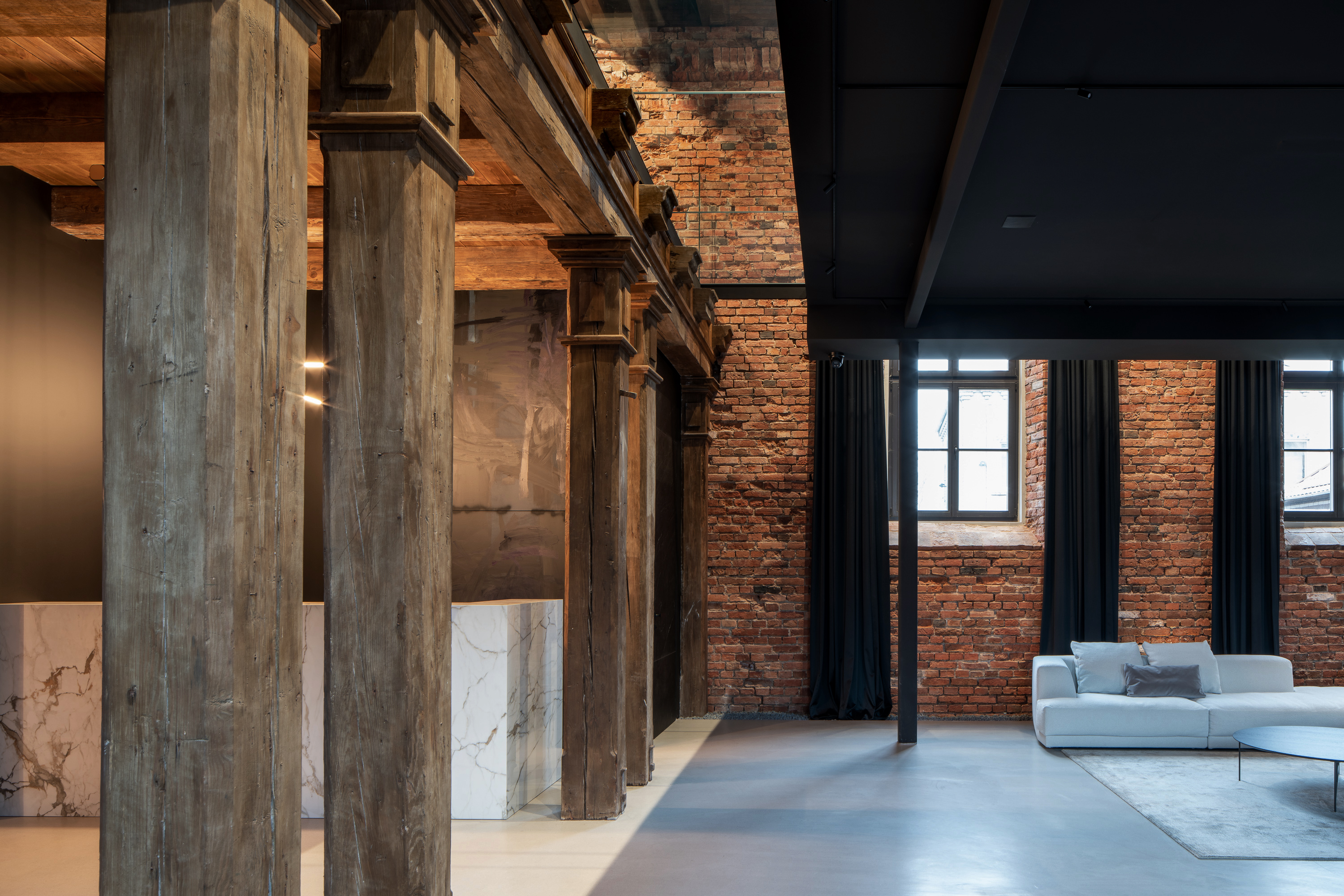
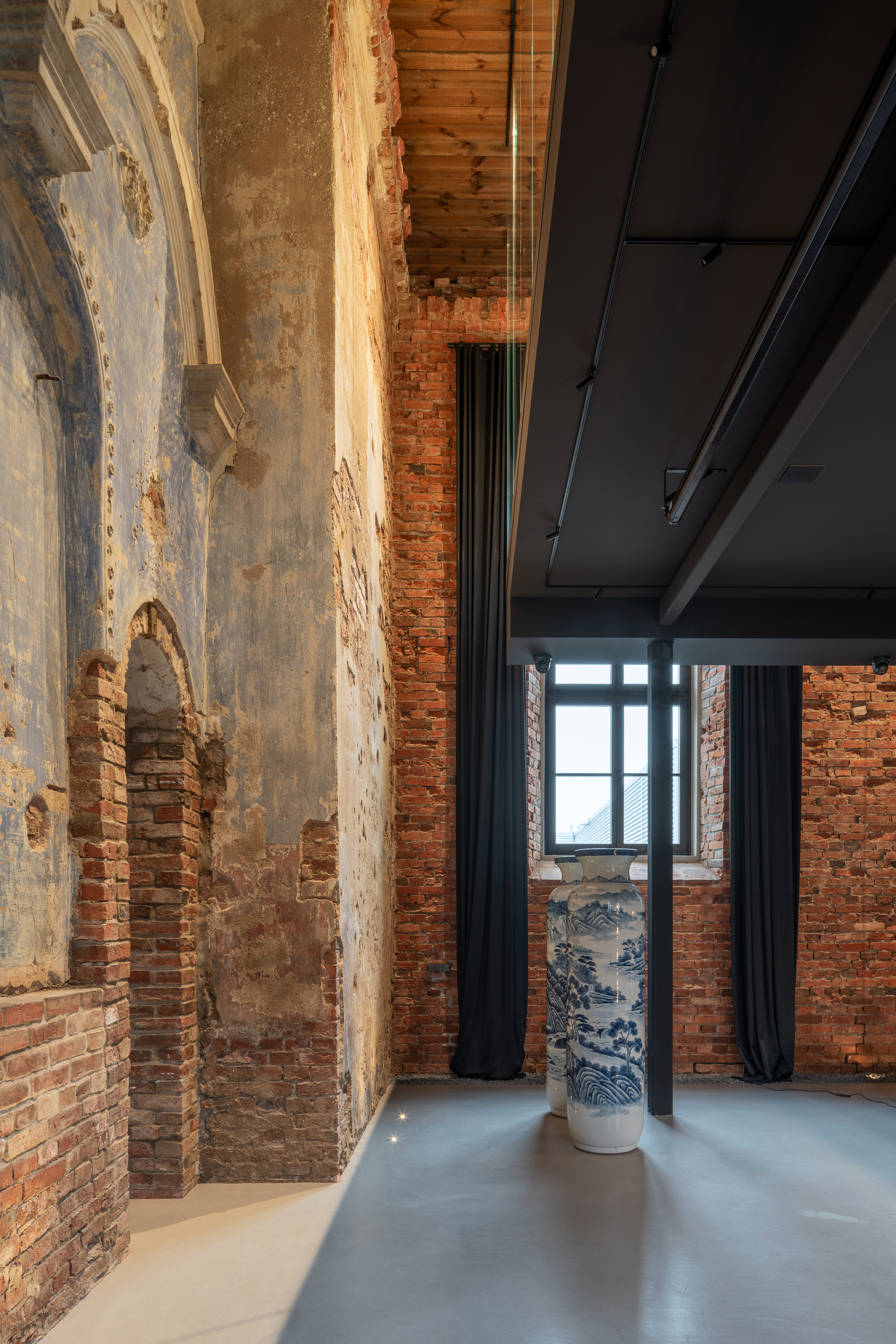
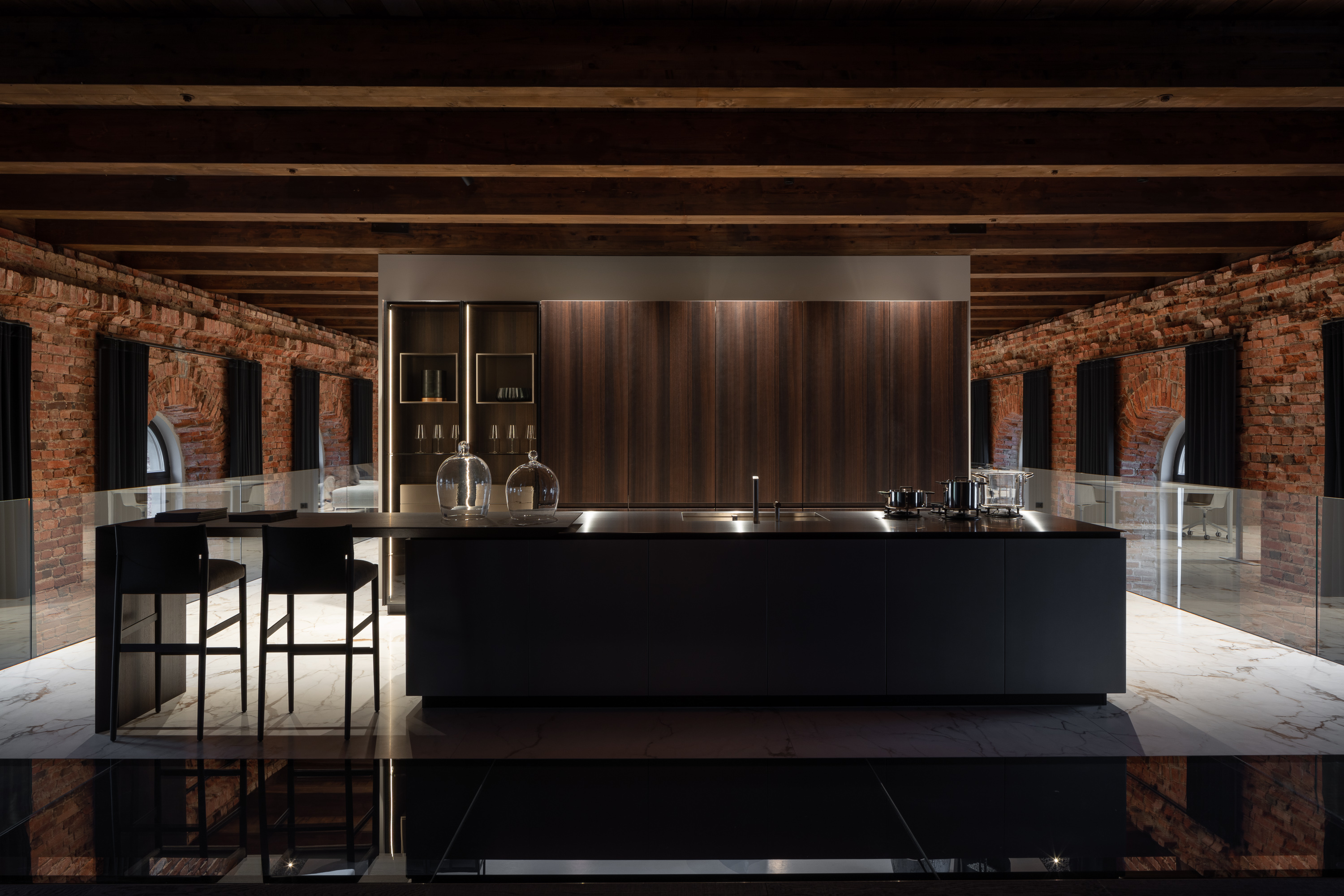
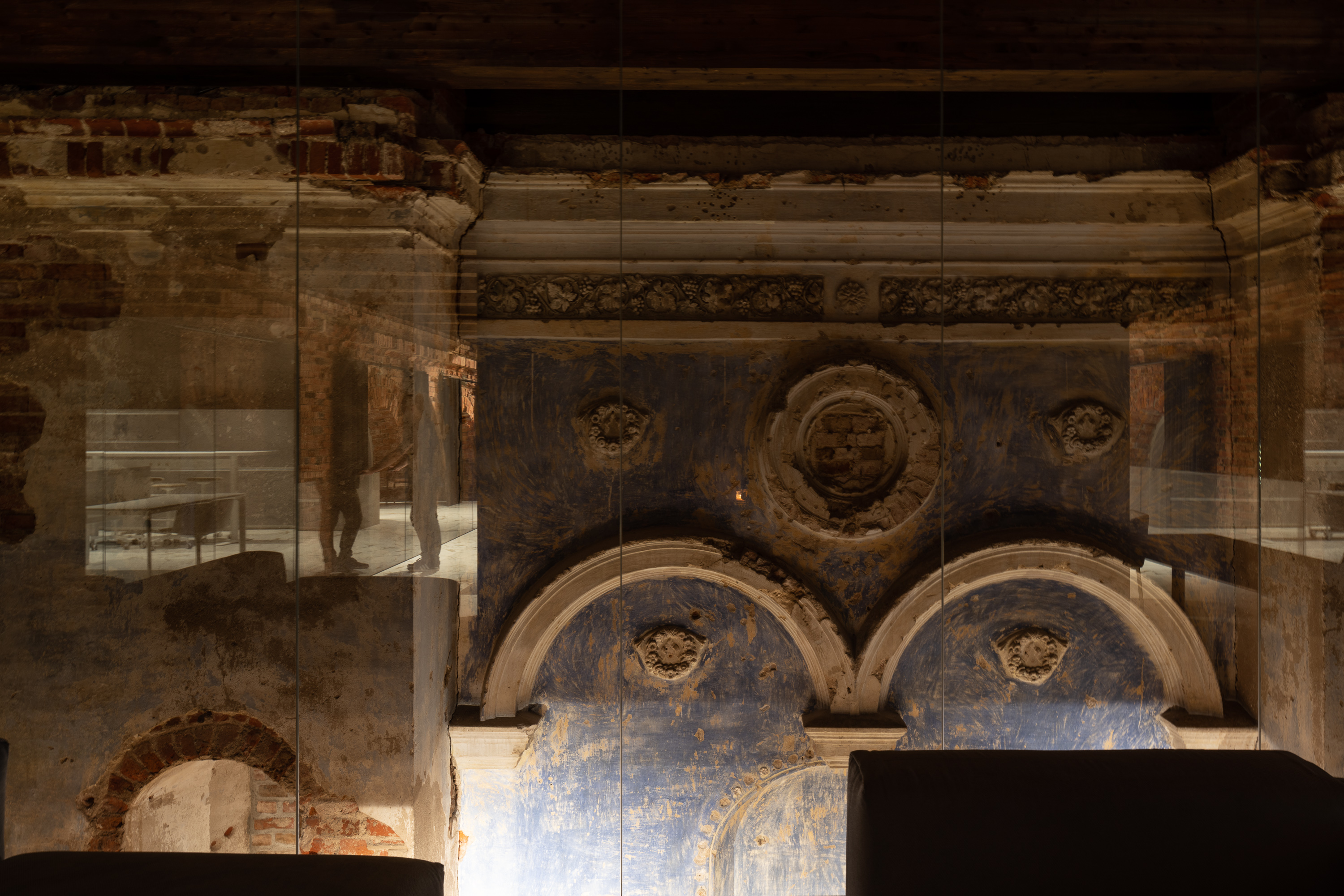
The project seeks to establish an aesthetic dialogue between heritage and contemporary architecture, highlighting the essential values of each through their synthesis. The reconstructed building, the Garliava Evangelical Lutheran Church built around 1860–1870 and listed in the Cultural Heritage Register under code 30618, had suffered decades of neglect. After being repurposed during the Soviet occupation as a recycling depot and later a fur-processing warehouse, it stood abandoned, roofless, and vandalized. The restoration began with essential stabilization: replacing timber roof structures, retiling with clay tiles, restoring the rainwater system, repairing granite foundations, and installing new historically accurate windows and stoneware doors. Modern utilities were discreetly integrated, including water supply, underfloor heating, and an air to water heating system. Every effort was made to preserve original elements such as the blue-painted altar wall and its plaster mouldings, wooden choir columns, and remaining clay tiles. The interior was reinterpreted for use as an exhibition and event venue. The main nave remains open and flexible, while a new black steel spiral staircase leads to the choir balcony. A reception and meeting space with kitchenette occupies the former presbytery. A lightweight mezzanine suspended on six steel columns and detached from the historic walls accommodates administrative functions. Its glass walkway and frameless railings maintain spatial continuity and transparency. Material selection emphasized harmony rather than imitation. Exposed brick walls were conserved, and new gray epoxy flooring contrasts subtly with historic textures. The color palette is restrained — black, gray, and white tones — allowing the patina of heritage to dominate. Once derelict, the church now stands renewed as Righetto Gallery, a public cultural venue that reconnects Garliava with its architectural heritage. The surrounding grounds were redesigned with granite paving, oak trees, and atmospheric lighting, restoring the church as a civic and cultural landmark.