SHORT DESCRIPTION
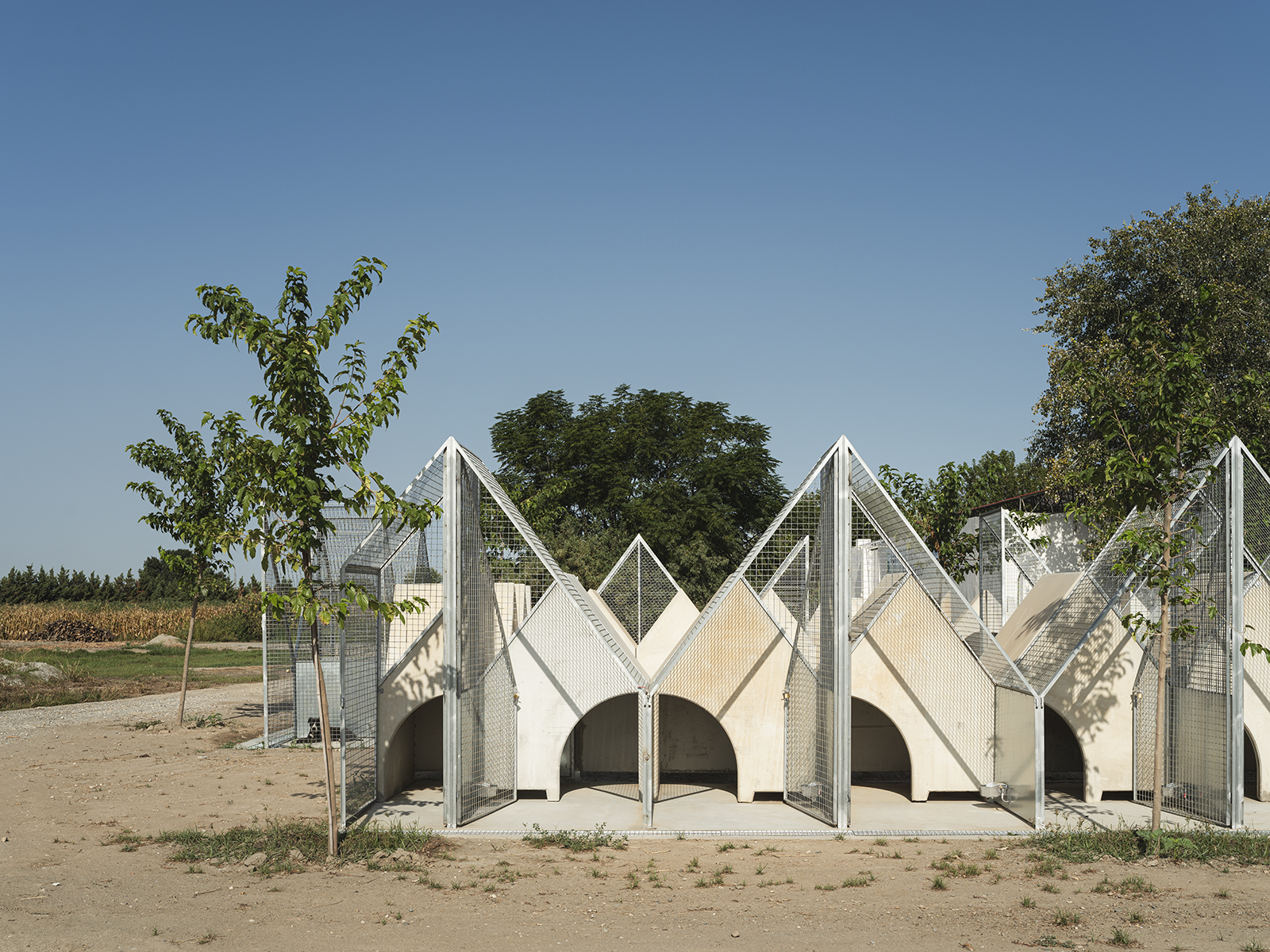
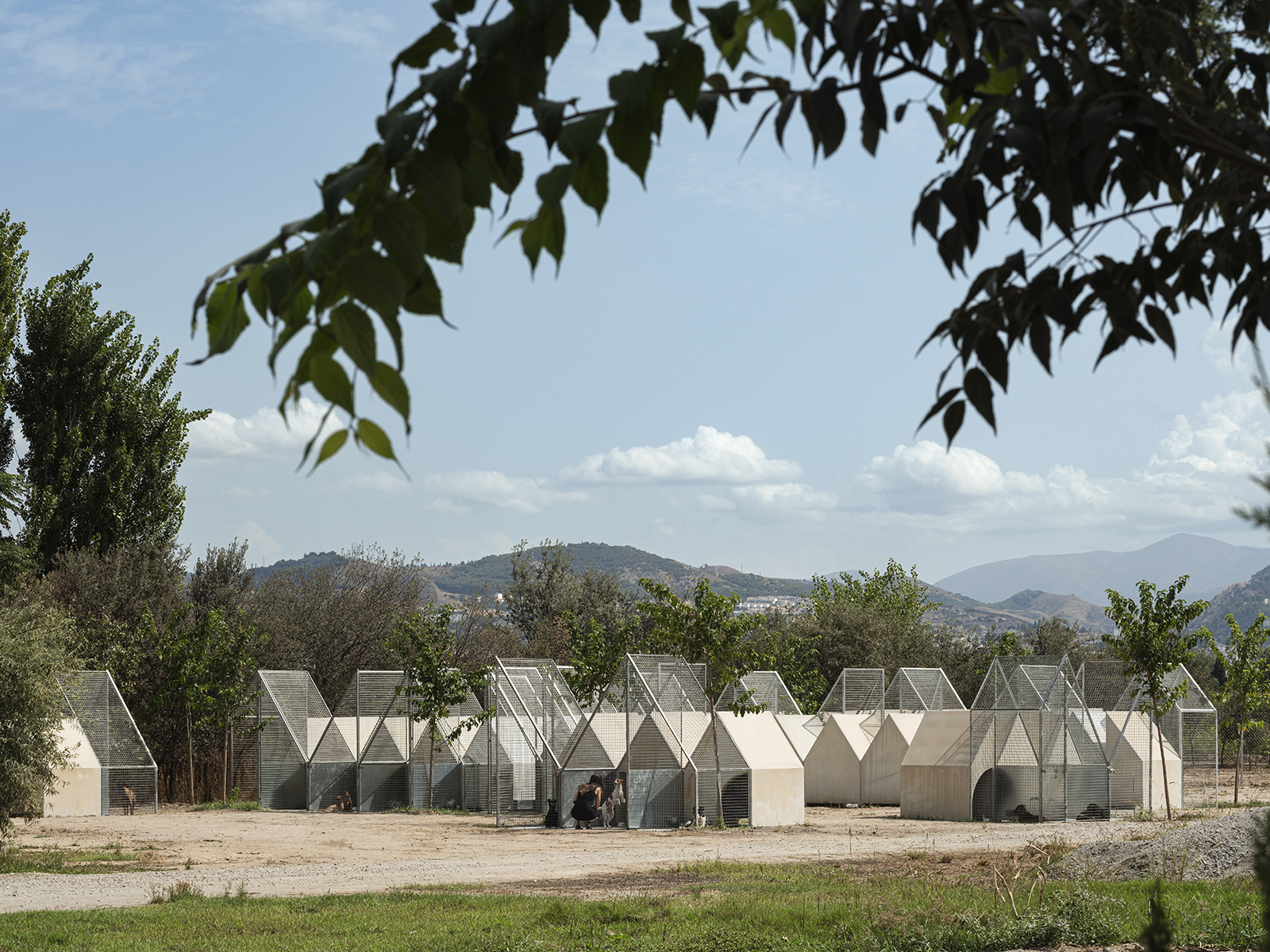
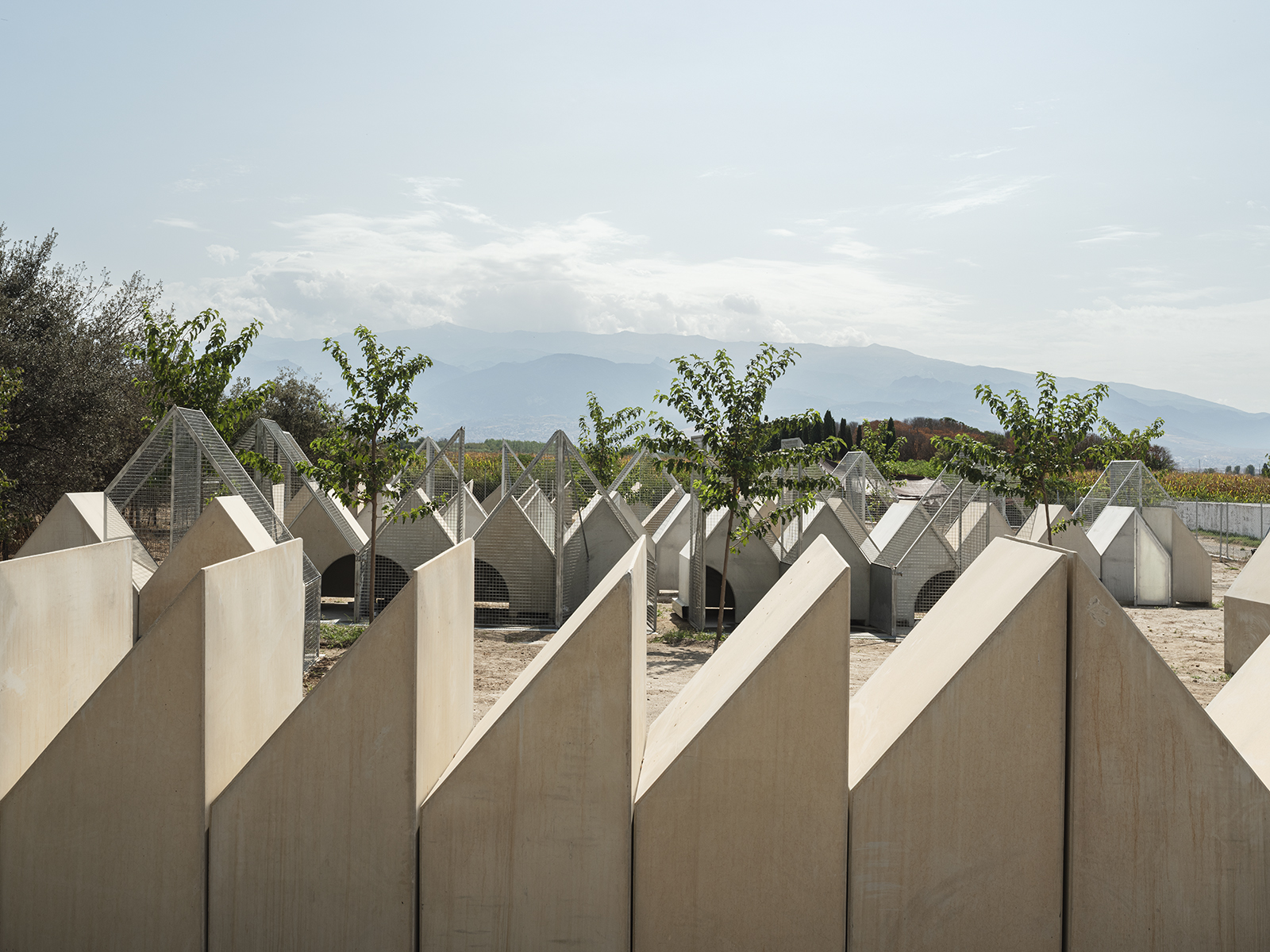
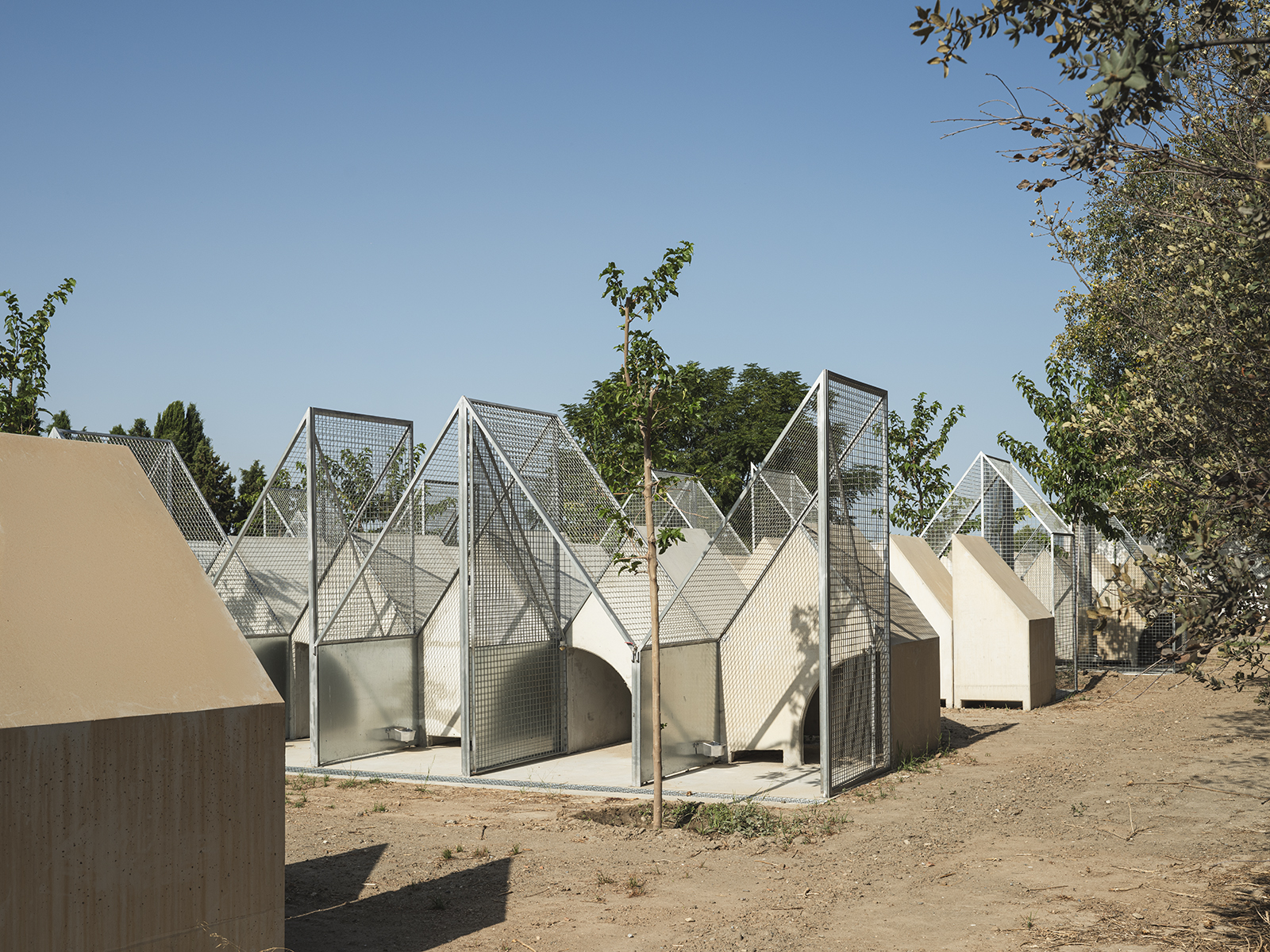
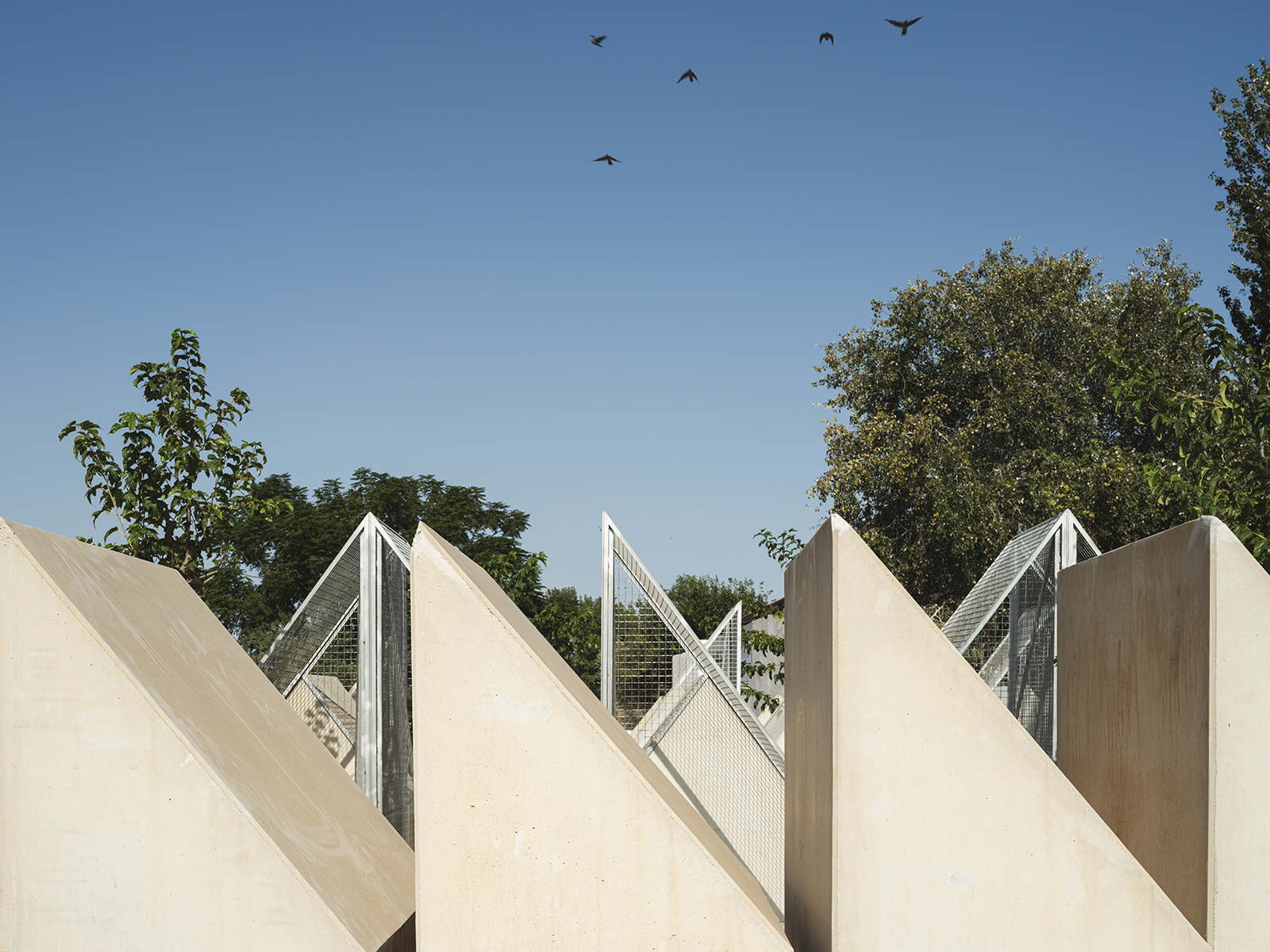
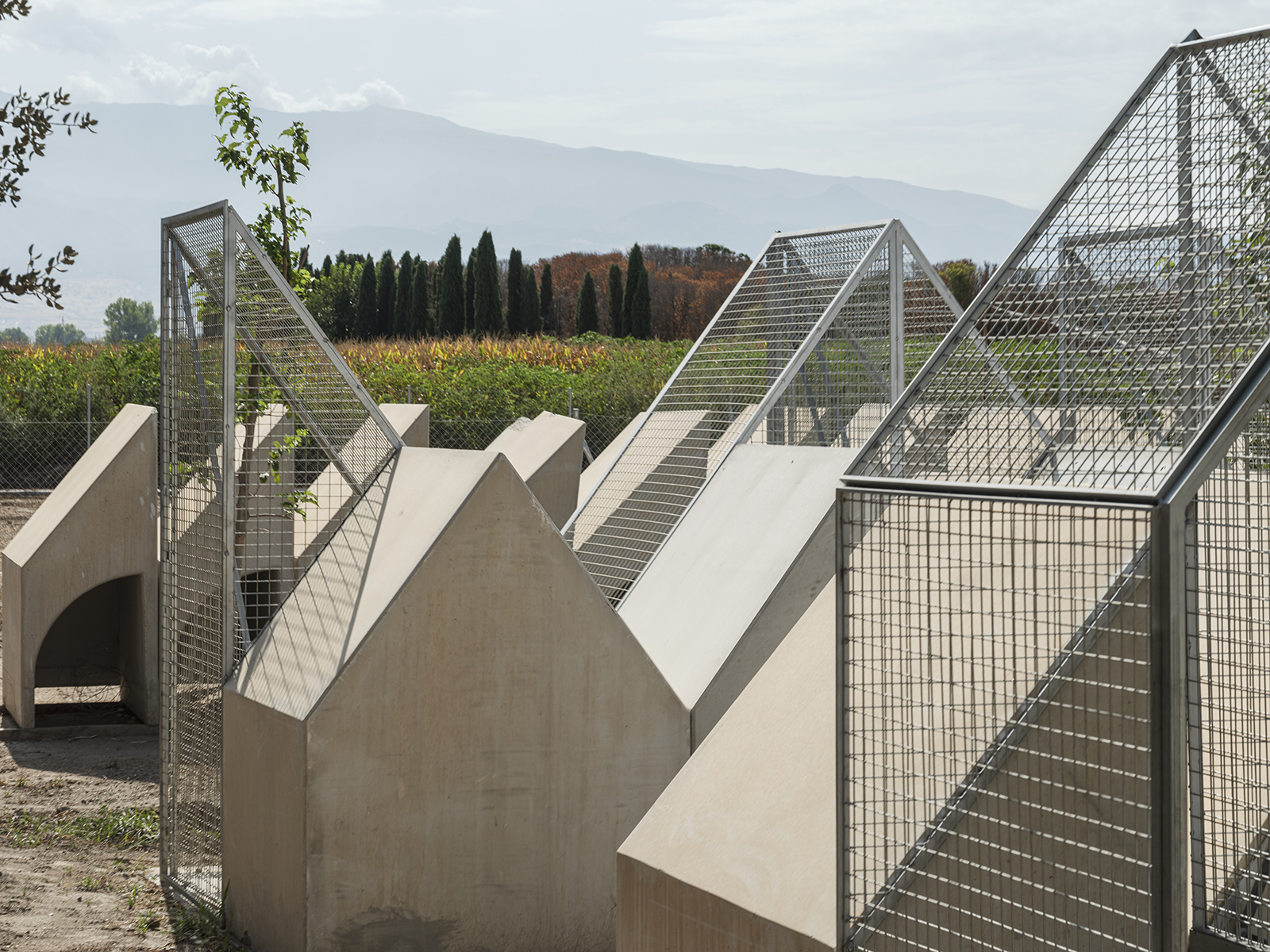
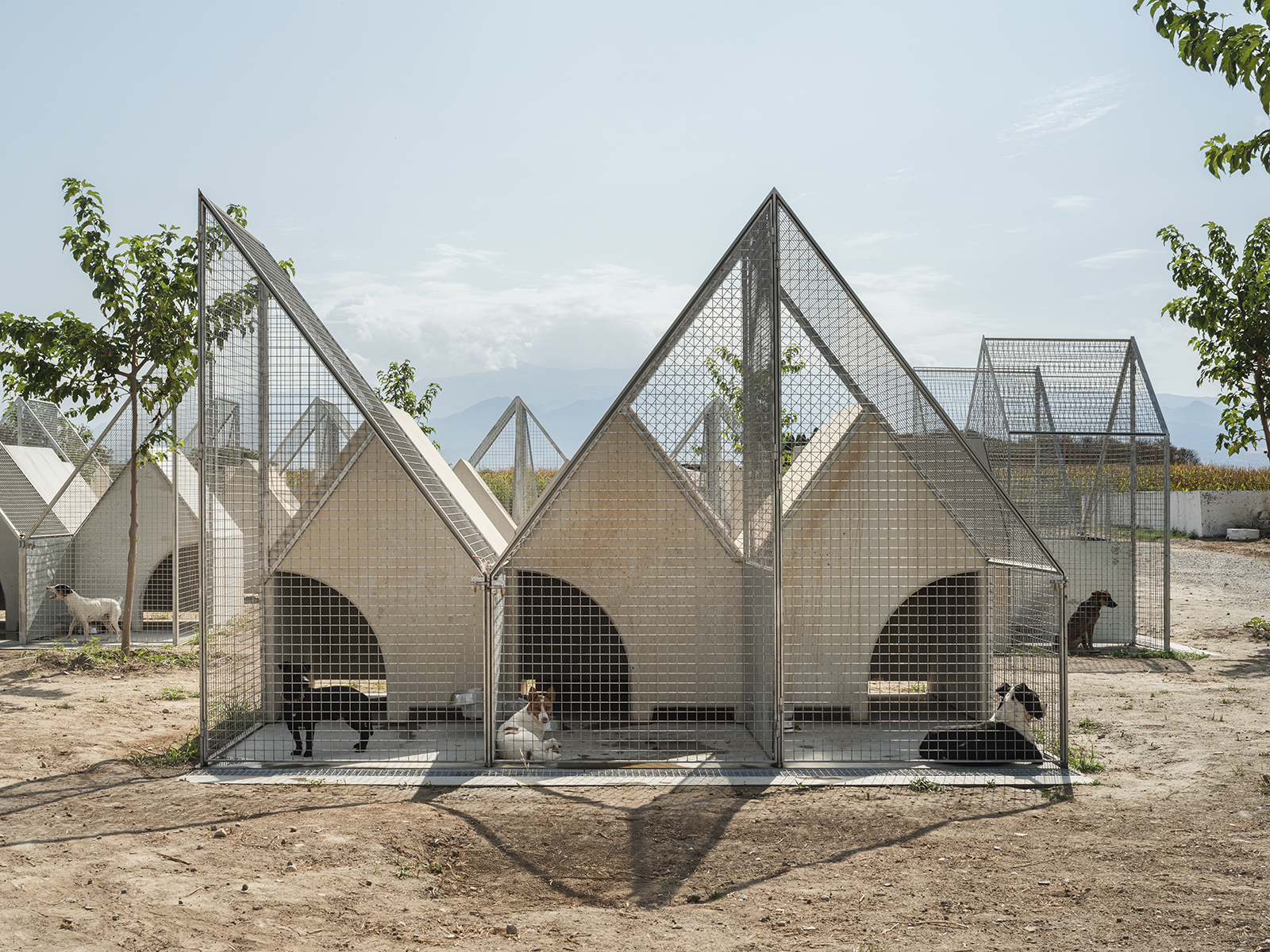
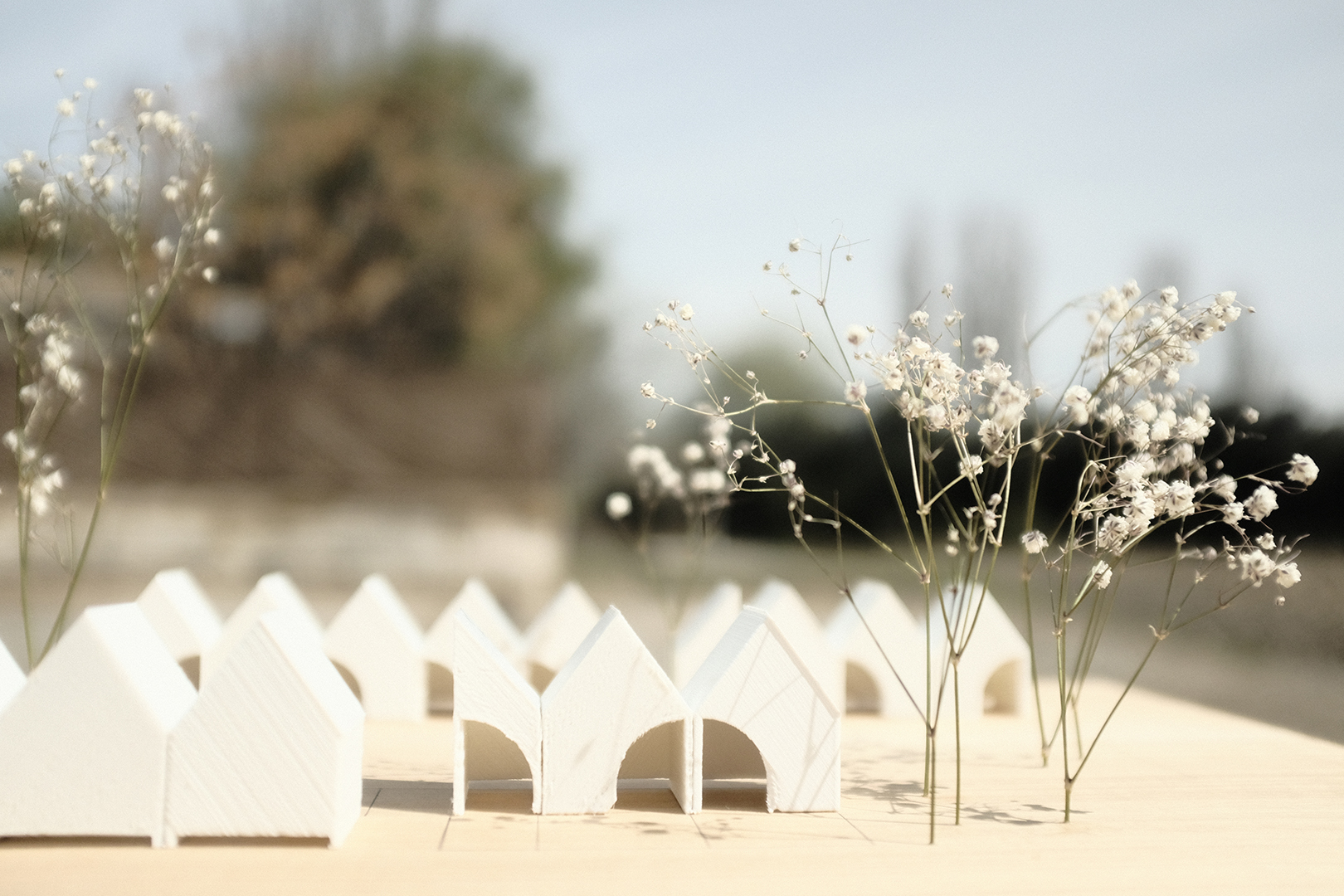
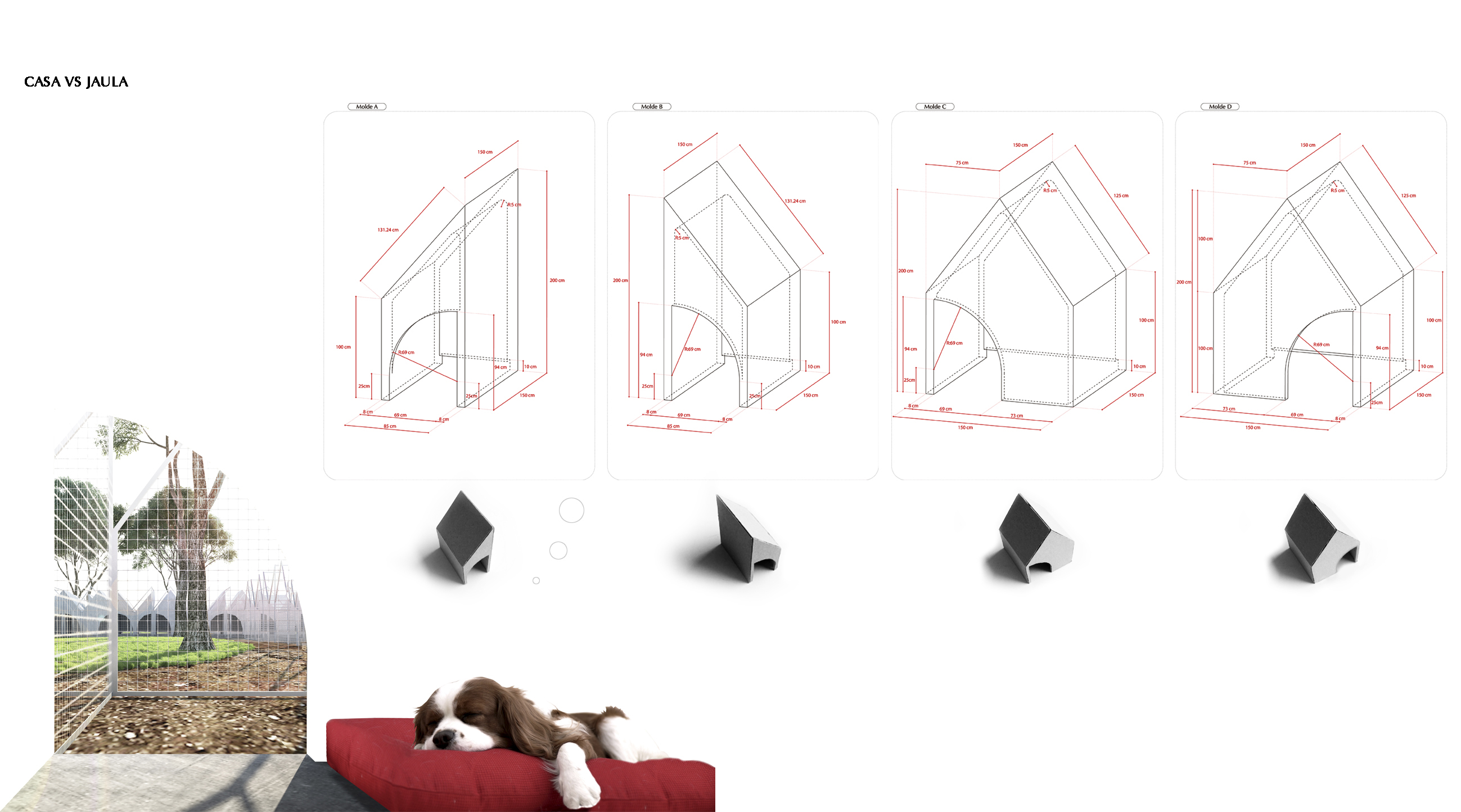
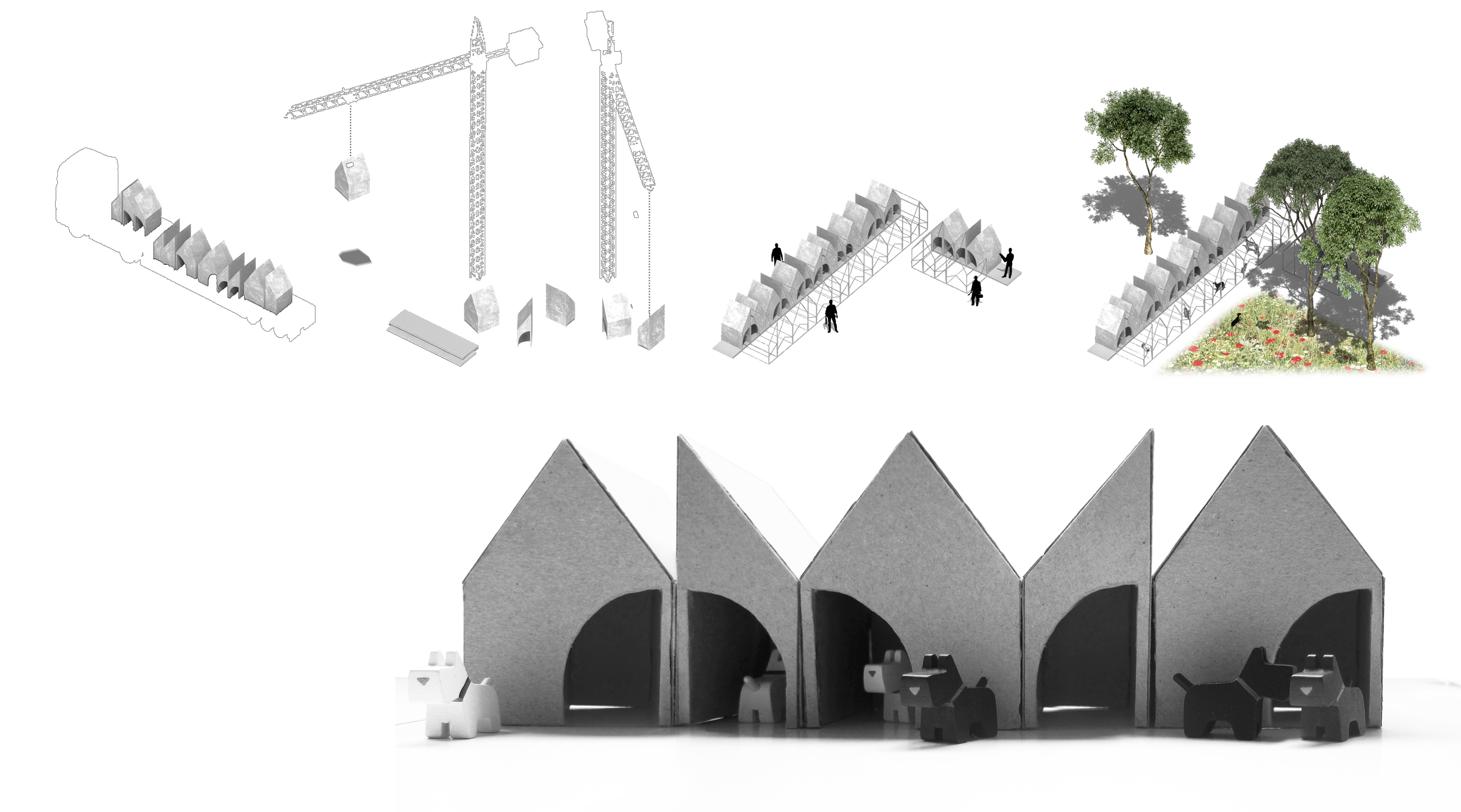
City vs. Prison Many animal shelters prioritize cost efficiency, resulting in closed, oppressive environments with dark corridors and small cages that restrict animals’ freedom. Our proposal takes the opposite approach: instead of a prison, the shelter becomes a city, a place of life and interaction. The design is based on open, interconnected spaces that function like plazas, allowing animals to move, explore, and perceive their surroundings. Visitors can observe them directly, encouraging empathy and connection. Although these spaces are visually open, access to them is controlled and managed by staff to ensure safety. Dogs rotate through different areas depending on their needs and conditions, allowing them to enjoy the outdoors and enriched environments whenever possible. This system supports not only physical well-being but also socialization and emotional vitality. Home vs. Cage To replace traditional metal or brick enclosures that confine animals, we introduce prefabricated modular dog homes, inspired by the familiar “doghouse” as a symbol of shelter and belonging. These repeatable modules allow efficient mass production, easy reconfiguration, and adaptation over time. The shelter becomes a flexible organism that can grow and reorganize based on demand and population changes. The construction system uses reinforced precast concrete, made from a single mold with small variations to create different piece types. This enables economical expansion and straightforward rearrangement of kennels and enclosures. Combined with outdoor yards, the modules form a network of small “homes” that together create a dog city—a community rather than confinement. Modularity and Flexibility Light galvanized steel frames with welded wire mesh are used to form partitions, access points, and outdoor yards. With only four frame types, numerous spatial configurations are possible. Each dog can have an individual shelter plus an exterior area, ensuring mobility, stimulation, and a sense of place.